
Toronto’s Retail Investment Outlook Turns Less Optimistic Due To Macroeconomic Factors
Investment in Toronto retail properties has had a strong run, but signs of cooling are beginning to emerge in a reflection of both market dynamics and shifting investor priorities.
After peaking at $3.36 billion in 2021, sales of retail properties in the Greater Toronto Area have moderated, dipping to $1.44 billion in the first 11 months of 2025.
Liquidity in the retail property markets has been difficult to gauge in recent years. Retail property owners have been reluctant to sell due to limited opportunities for redeploying capital, and the limited number of properties put on the market has helped support pricing.
What’s more, investment capital that had once flowed into office assets was often redirected to retail properties during the height of negative office sentiment following the COVID-19 outbreak. With that rhetoric subsiding, some of this capital may reverse course.

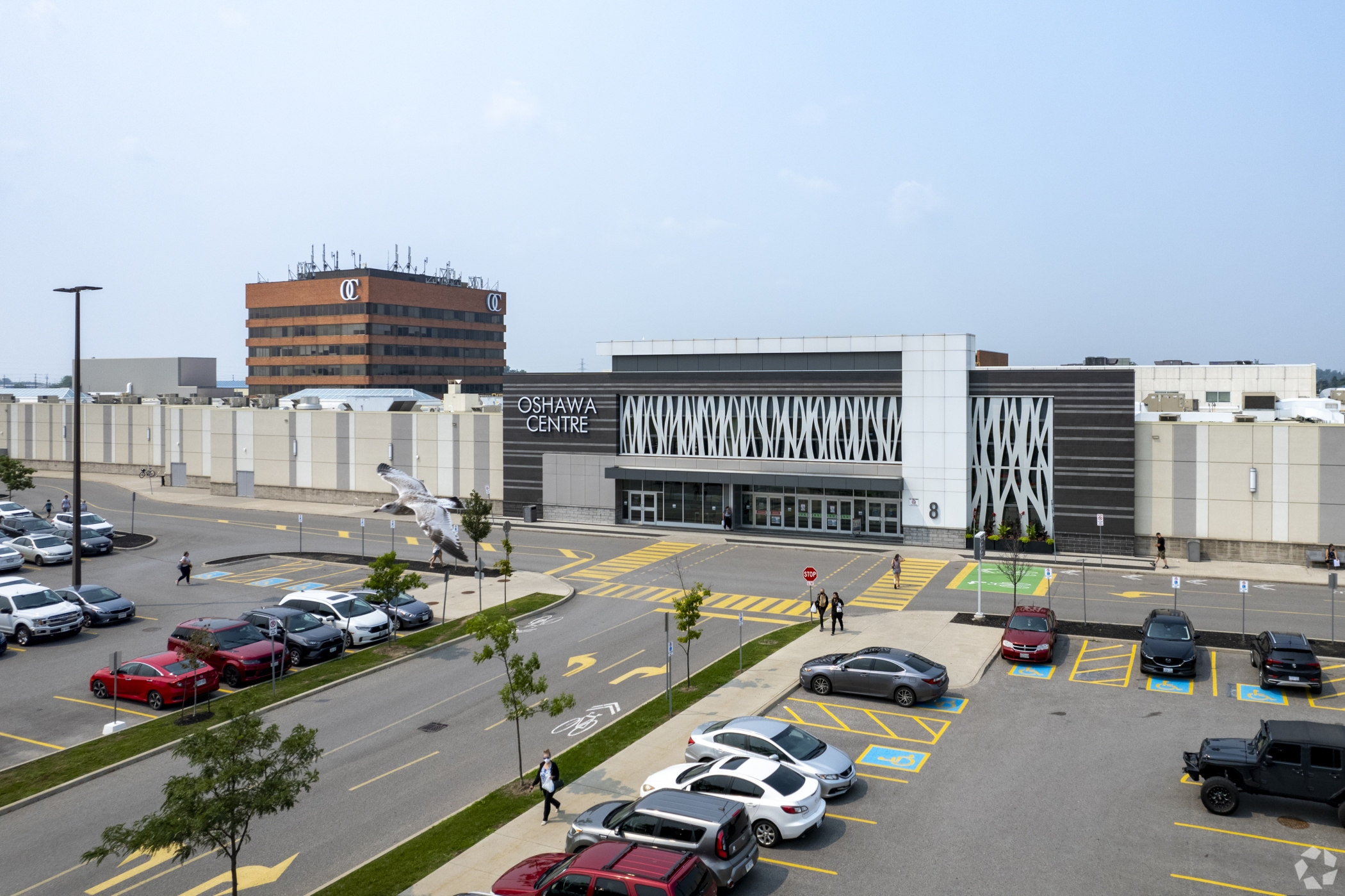
One firm that has remained active is Primaris REIT, which accounted for roughly 15% of sale volumes across the Greater Toronto Area through November of this year, following its acquisition of the Oshawa Centre for $375 million in January.
Interestingly, the shopping mall real estate investment trust followed that acquisition with the purchase of Lime Ridge Mall in Hamilton for $416 million later in the year. This purchase is not included in this analysis due to its location in the neighbouring Greater Golden Horseshoe market; however, it certainly illustrates the REIT’s optimistic outlook regarding the asset class generally.
Reduced consumer spending and a pullback in projected population growth could put pressure on retail leasing and property values, particularly for assets that rely on tenant churn or percentage rents, such as enclosed malls.
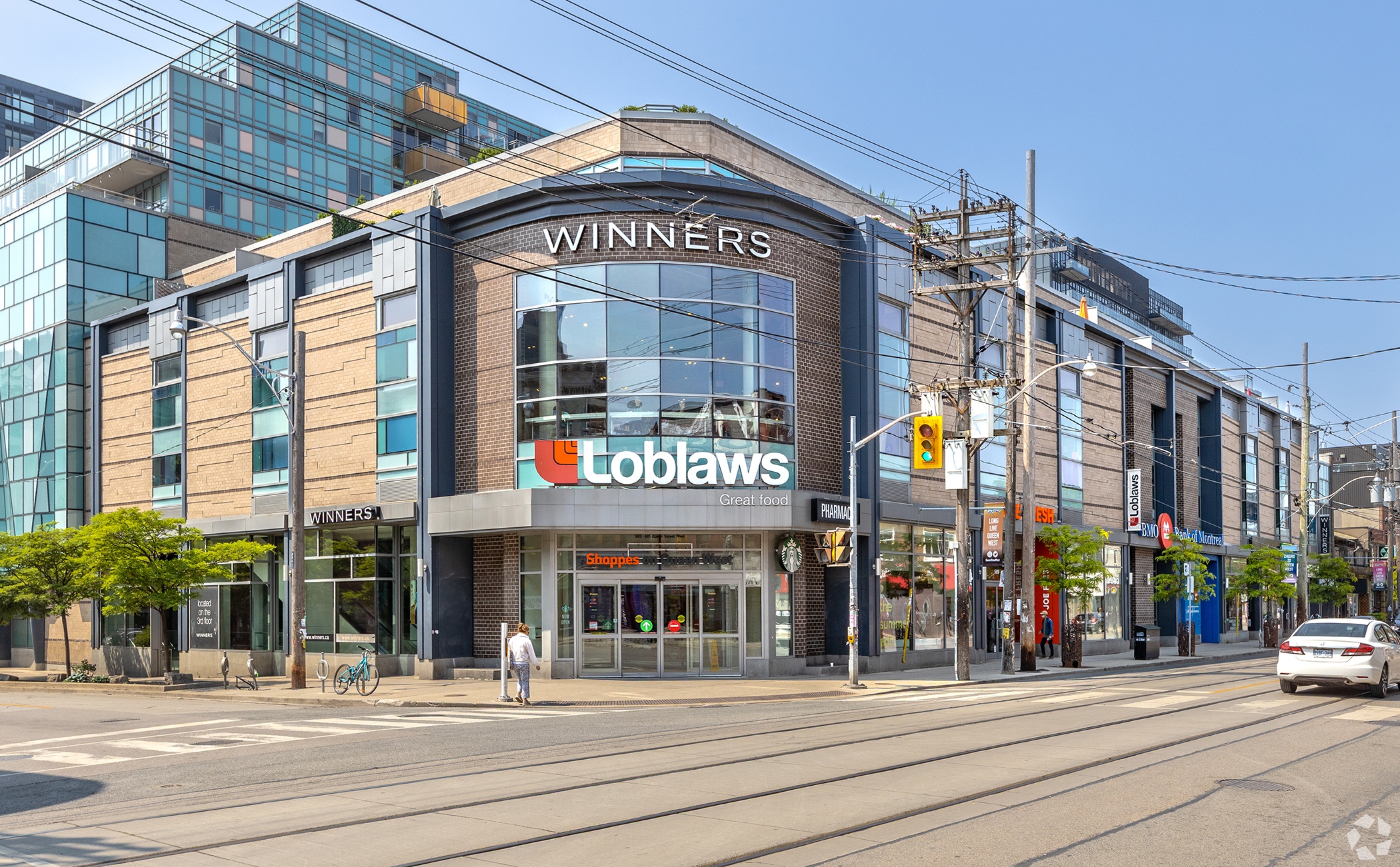
That said, grocery-anchored and necessity-based retail remains resilient, offering defensive characteristics for investors in uncertain times. This appears to be fueling demand for these types of retail properties, a trend underscored by BGO, the firm long known as BentallGreenOak that was the second-largest acquirer of retail property so far this year.
The global real estate investment management firm purchased two portfolios for an aggregated price of almost $150 million. Both portfolios were anchored by large grocery stores and included necessity-based retailers such as pharmacies.
All retail properties have benefited from the rising tide of positive investment sentiment toward the asset class since the pandemic, but as Warren Buffett famously said, “Only when the tide goes out do you discover who’s been swimming naked.”
For retail property investors, the next phase will distinguish between durable income streams and those exposed to cyclical risk. Retailers that meet essential consumer needs are expected to outperform those relying on robust consumer spending or general retail favourability.
Source CoStar Click here for the full story.