
Industrial Market’s Stabilization May Boost Property Values, Market Liquidity
The industrial property investment market in Toronto has fluctuated significantly, a phenomenon that shows up when comparing completed sales from the first 11 months of each year.
From $2.33 billion in 2020, sales volumes for that real estate type surged to $7.84 billion in 2023 before pulling back sharply to $3.36 billion in 2024 and down to $3.32 billion for the first 11 months of 2025.
This retracement reflects a normalization phase after years of aggressive pricing and development.

However, despite the slowdown in property sales, several signs indicate that the sector is stabilizing. Activity in the Greater Toronto Area’s industrial market saw a marked increase in the third quarter, with over 1.3 million square feet of positive absorption, accompanied by a decrease in sublease availability.
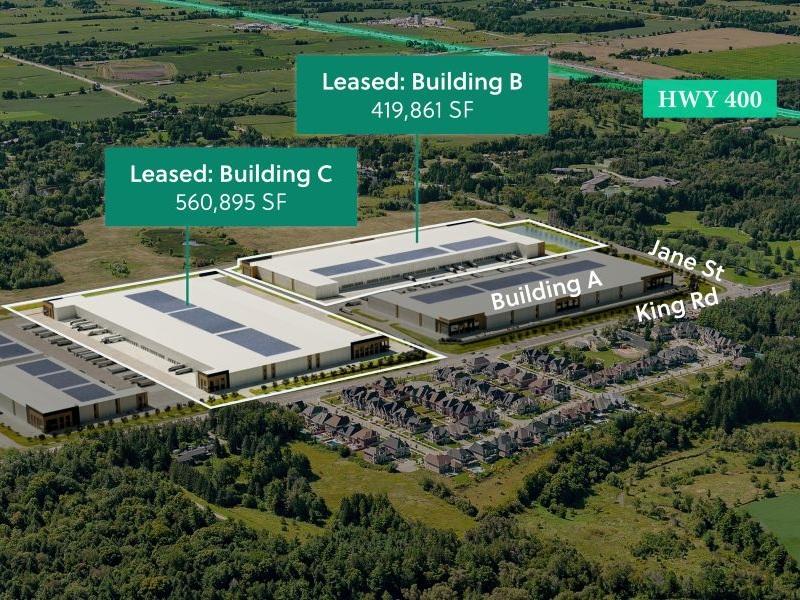
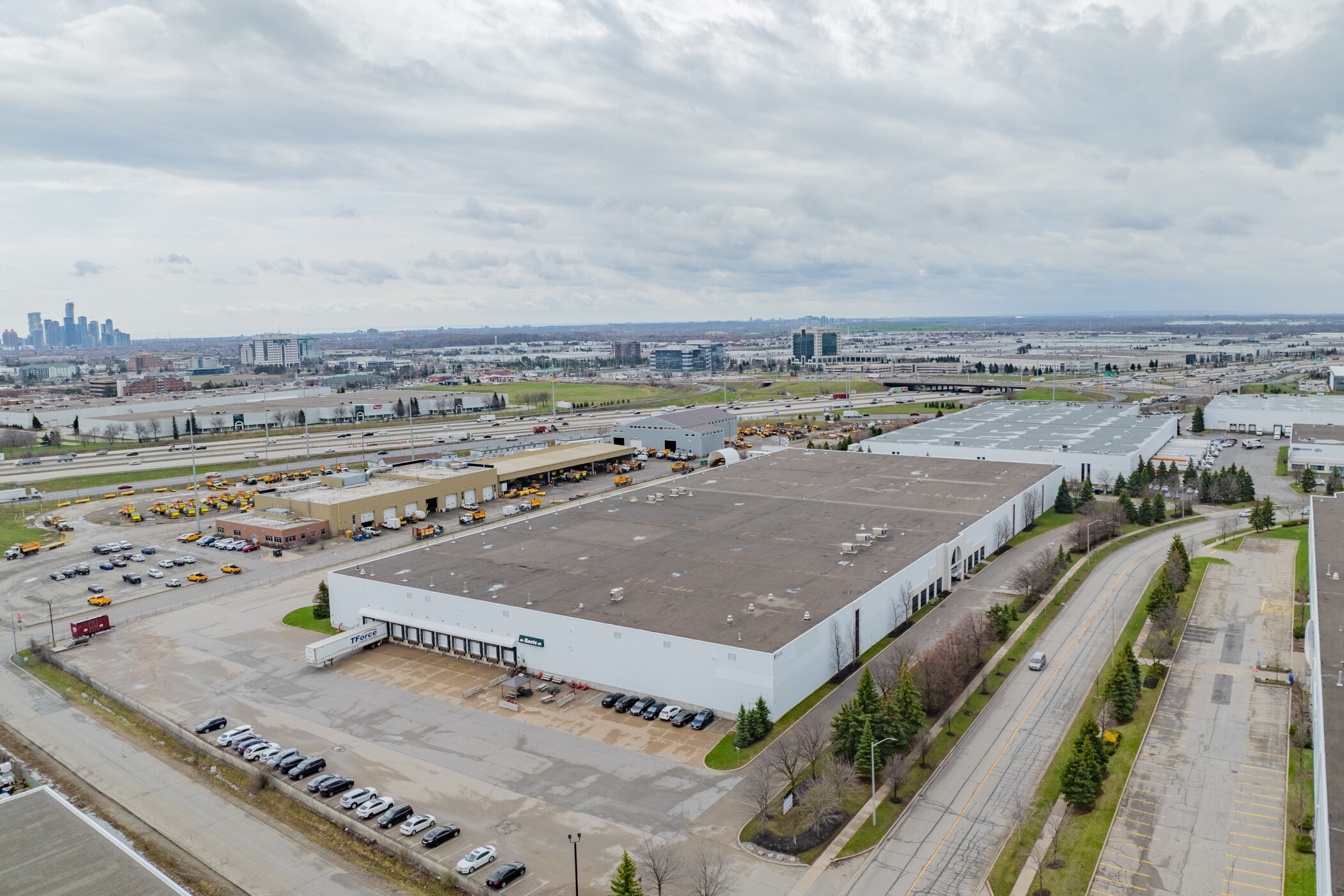
Though a large amount of new supply came online during the third quarter, construction levels have now dropped to their lowest level since mid-2020, during the height of the pandemic lockdowns.
Once most of the newly completed and unleased space is absorbed over the next couple of years, net operating incomes are expected to recover. Capitalization rates are also projected to experience some minor compression in the coming years, as the number of buyers continues to exceed the number of sellers.
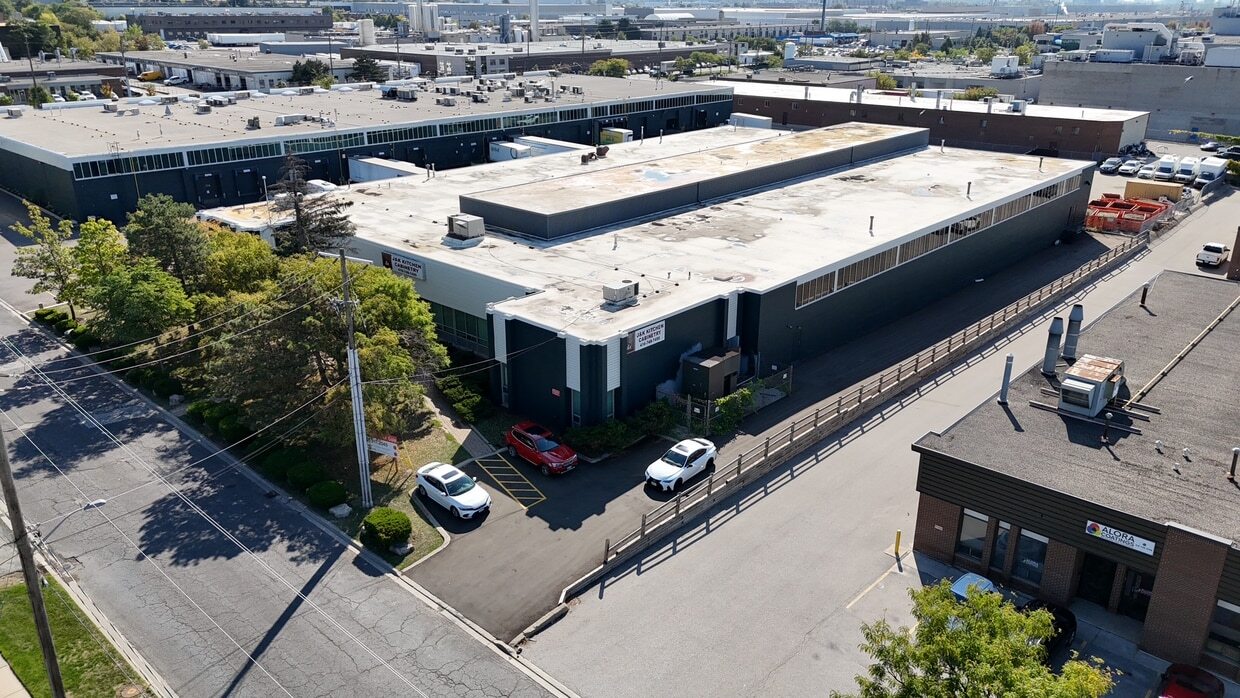
One advantage industrial assets hold over other asset classes is adaptability. Obsolete industrial buildings are relatively easy to redevelop or demolish, allowing the sector to recalibrate relatively efficiently compared to other property types. In contrast, an empty high-rise office tower in the downtown core is far harder to repurpose or demolish. This flexibility should help the industrial property sector stabilize faster.
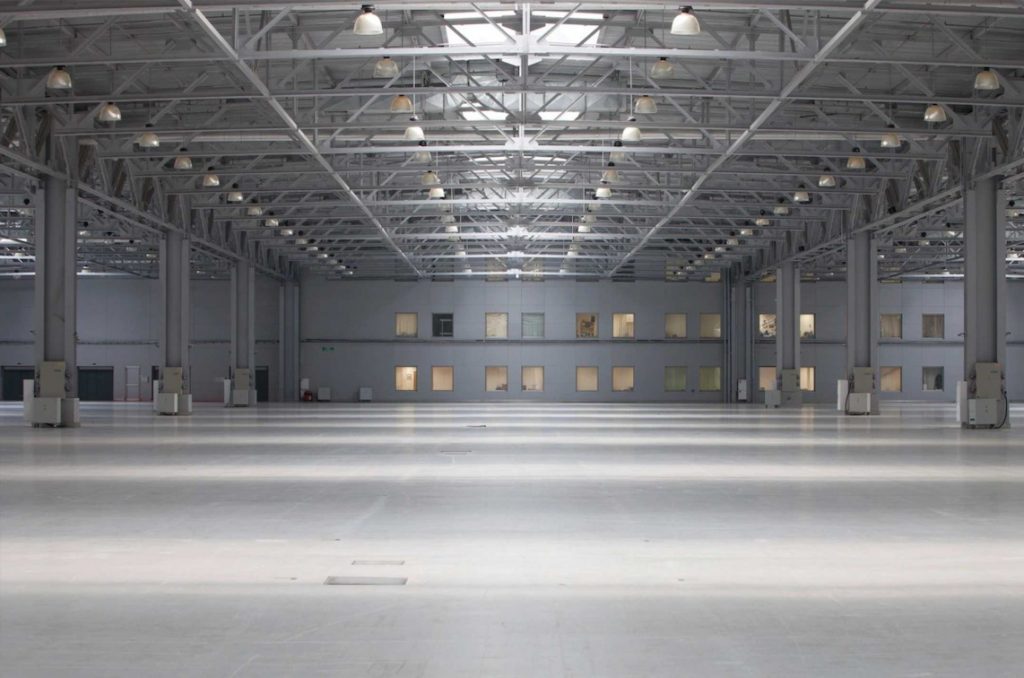
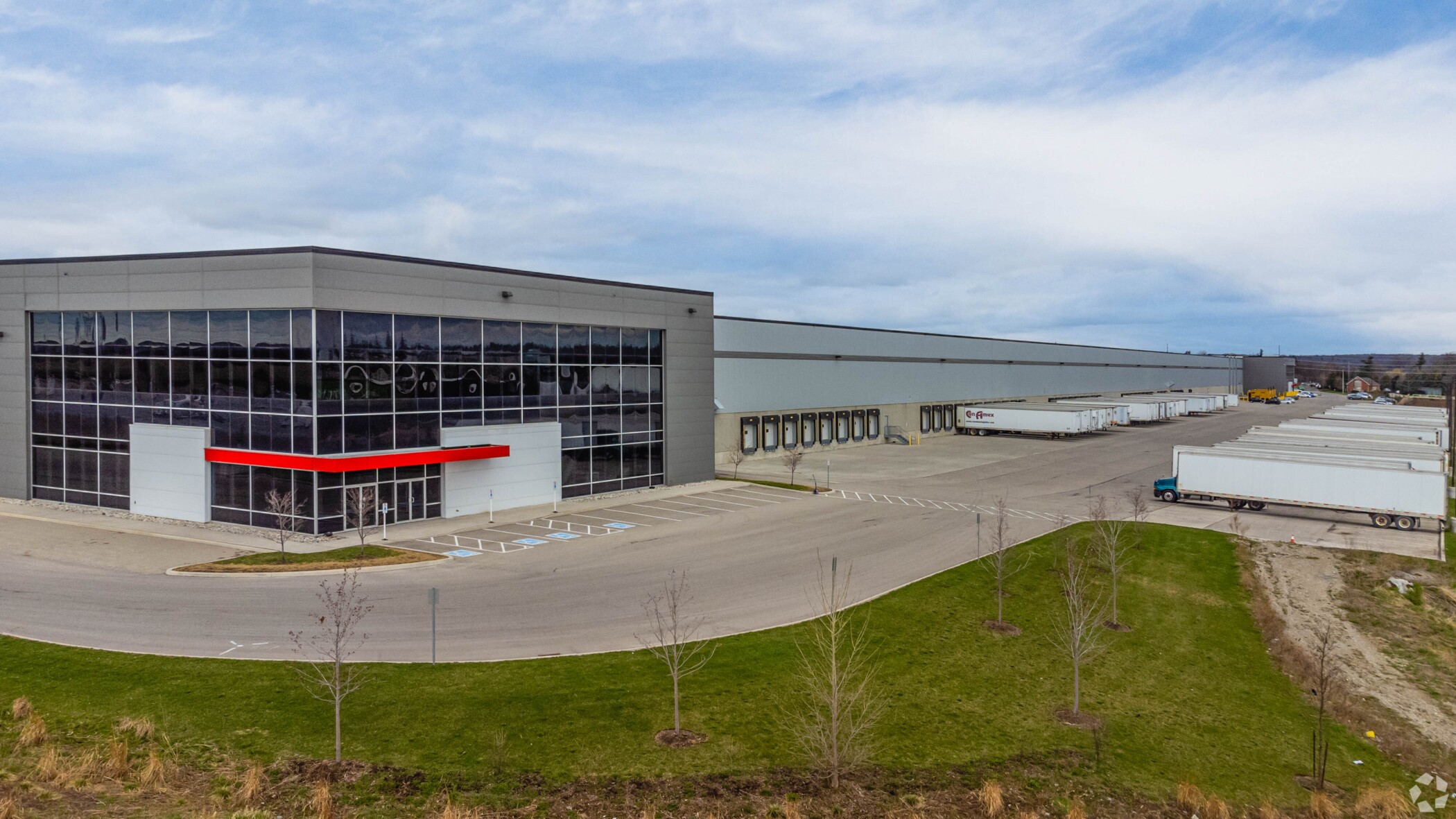
And while the oversupply of new industrial space completed in recent years has driven up availability rates, this new space has generally been built to high standards, raising the market’s average clear height and bay size. This should also underpin rental growth and help Toronto’s industrial property market remain competitive on a comparative basis with other cities with older, obsolete stock that fails to meet the needs of modern logistics providers.
Investor sentiment toward industrial property remains cautiously optimistic. The $3.3 billion in property sales transacted so far this year involved more than 100 separate buyers. The top three purchasers, Crestpoint Real Estate Investments, Dream Industrial REIT and Kingsett Capital, accounted for over $900 million or nearly a third of the 2025 sales to date. Meanwhile, the large number of active buyers shows a mix of bullishness and depth of investor demand for industrial property.
While pricing levels for industrial properties have decreased, the long-term outlook is underpinned by strong demand drivers, particularly in the e-commerce and logistics sectors. Manufacturing undoubtedly faces headwinds ushered in by the trade war, but fortunately, the lion’s share of speculative development has catered to logistics users.
For investors, the current environment may present a favourable opportunity to acquire assets at a discount as liquidity wanes.
Source CoStar Click here for the full story.