
How Choice Properties And Kingsett Could Split First Capital’s Real Estate
One of Canada’s wealthiest families is backing a major real estate deal that could split First Capital REIT’s holdings between high-street retail and grocery-anchored property across the country.
The Weston family, through its control of Choice Properties REIT, agreed to buy about $5 billion of First Capital assets as part of a deal valued at about $9.4 billion. Private‑equity firm KingSett Capital is set to acquire the remainder of the business that would result in First Capital being delisted from the Toronto Stock Exchange at the time the transaction closes.
Ben Haythornwaite, a CoStar retail property analyst, said the split between Choice and KingSett makes sense from a property‑type perspective.
“Retail subtypes are very different markets,” he said. “High‑street retail and grocery‑anchored retail behave very differently, and both purchasers are well positioned to unlock value in their respective segments.”
The deal announced earlier this month also would leave Choice Properties carrying significantly more debt. The real estate investment trust said the transaction will push its net debt to about 8.5 times earnings before interest, taxes, depreciation and amortization, a common measure of cash flow known as EBITDA.
Choice said it expects that ratio to decline over time as rental income from the acquired properties flows through, but the leverage marks a major step for a REIT known for its grocery‑anchored retail.
Under the agreement, Choice Properties would acquire assets the parties described as “necessity‑based neighbourhood shopping centres.” KingSett would acquire all of First Capital’s issued and outstanding units and approximately $4.4 billion of remaining assets, including “high‑street retail properties, development and other financial assets.”
Following completion of the transaction, First Capital would cease to exist as a public REIT. Choice Properties, a publicly traded REIT, formed in 2013 when Loblaw Companies spun out much of its real estate into a separate trust.
George Weston Ltd., the family’s holding company, controls Choice Properties and would own about 58% of the REIT following a $600 million equity investment tied to the deal. Loblaw and its grocery and pharmacy banners remain Choice’s largest tenants, anchoring the portfolio around everyday retail tied to food and essential services. Neither KingSett nor Choice Properties replied to an email from CoStar News seeking further details and comments.
High-end retail
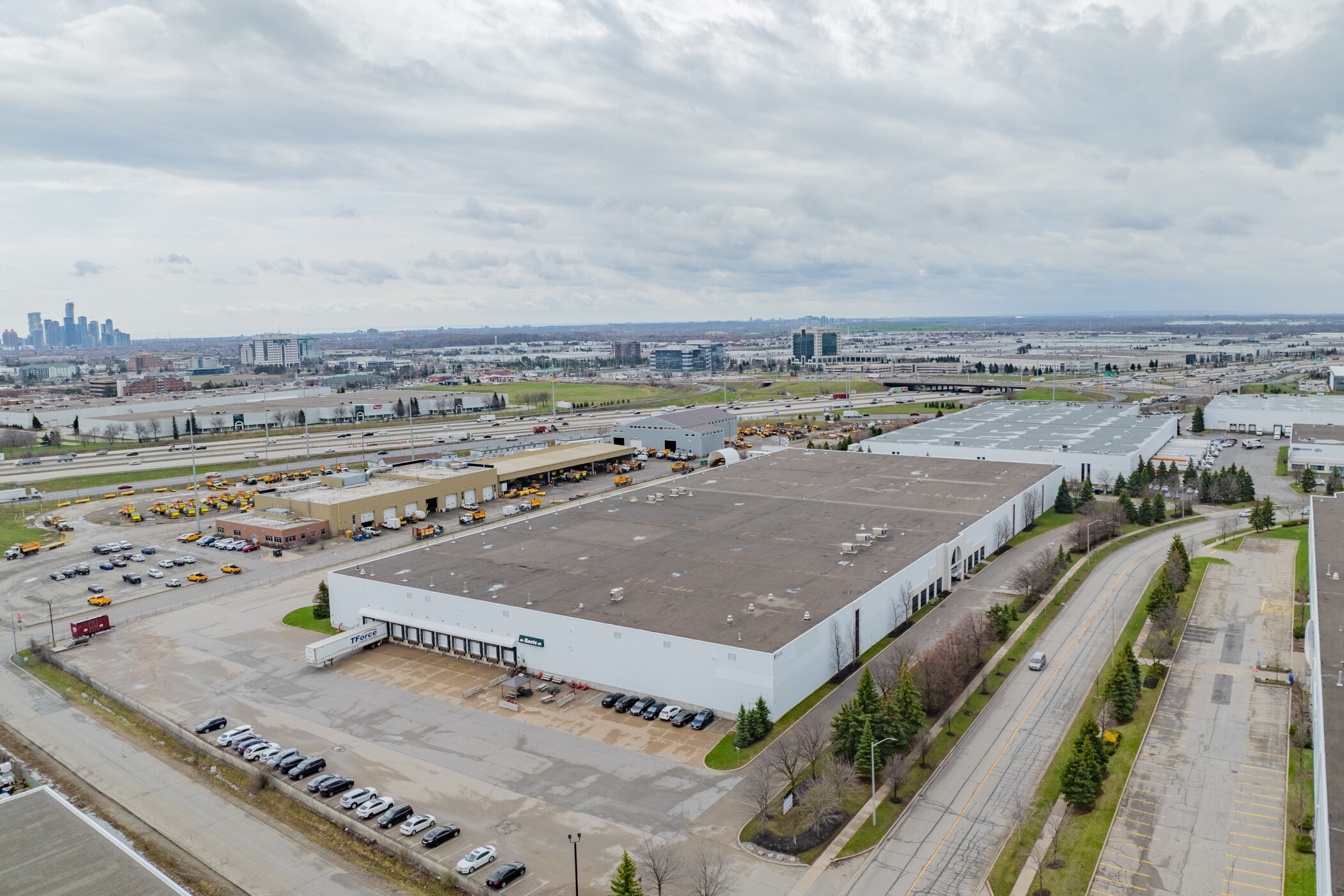
The portfolio Choice is acquiring totals about 8 million square feet and consists largely of shopping centres anchored by grocery stores and other daily‑needs tenants. The company expects the assets to generate roughly $235 million in net operating income in 2027 and said the centres are located in dense, supply‑constrained urban and suburban markets.

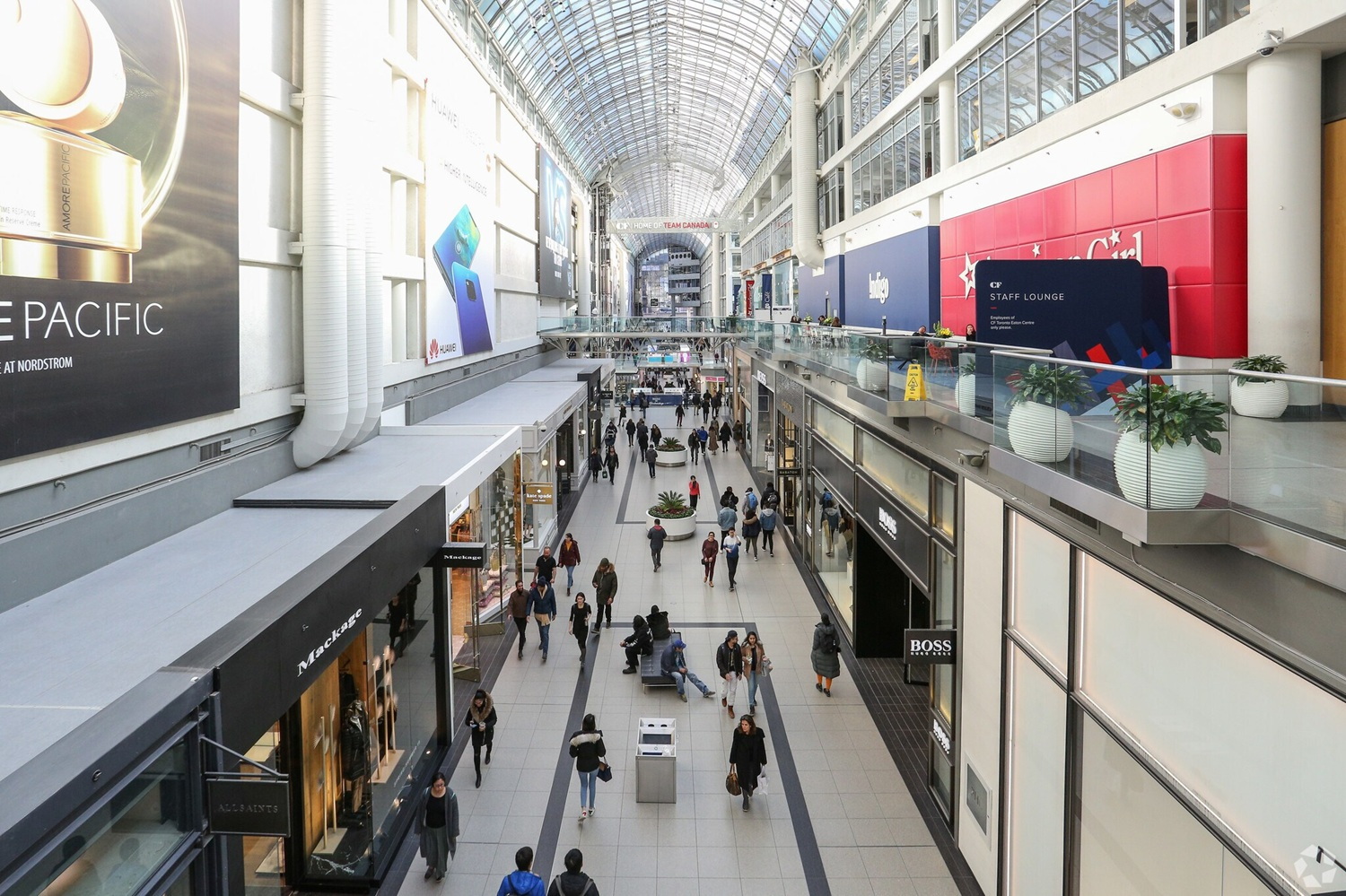
Retail properties in Toronto’s Yorkville district figure prominently in the First Capital sale, according to Craig Patterson, who analyzes the market for industry publication Retail Insider. Yorkville is home to high-end shopping in the city and Toronto’s only Four Seasons Hotel. Patterson said the post-pandemic retail scene in Yorkville is vigorous.
“Anecdotally, I see a lot of shopping bags of expensive stores in the neighbourhood, including Hermès, Louis Vuitton. Even after we saw Kith open on Yorkville Avenue, we’ve seen other retailers opening,” Patterson, a resident of the neighbourhood, said in an interview.
The companies have not disclosed how the ownership of individual properties will shake out, but examples from First Capital’s existing portfolio give a sense of how the split could broadly take shape.

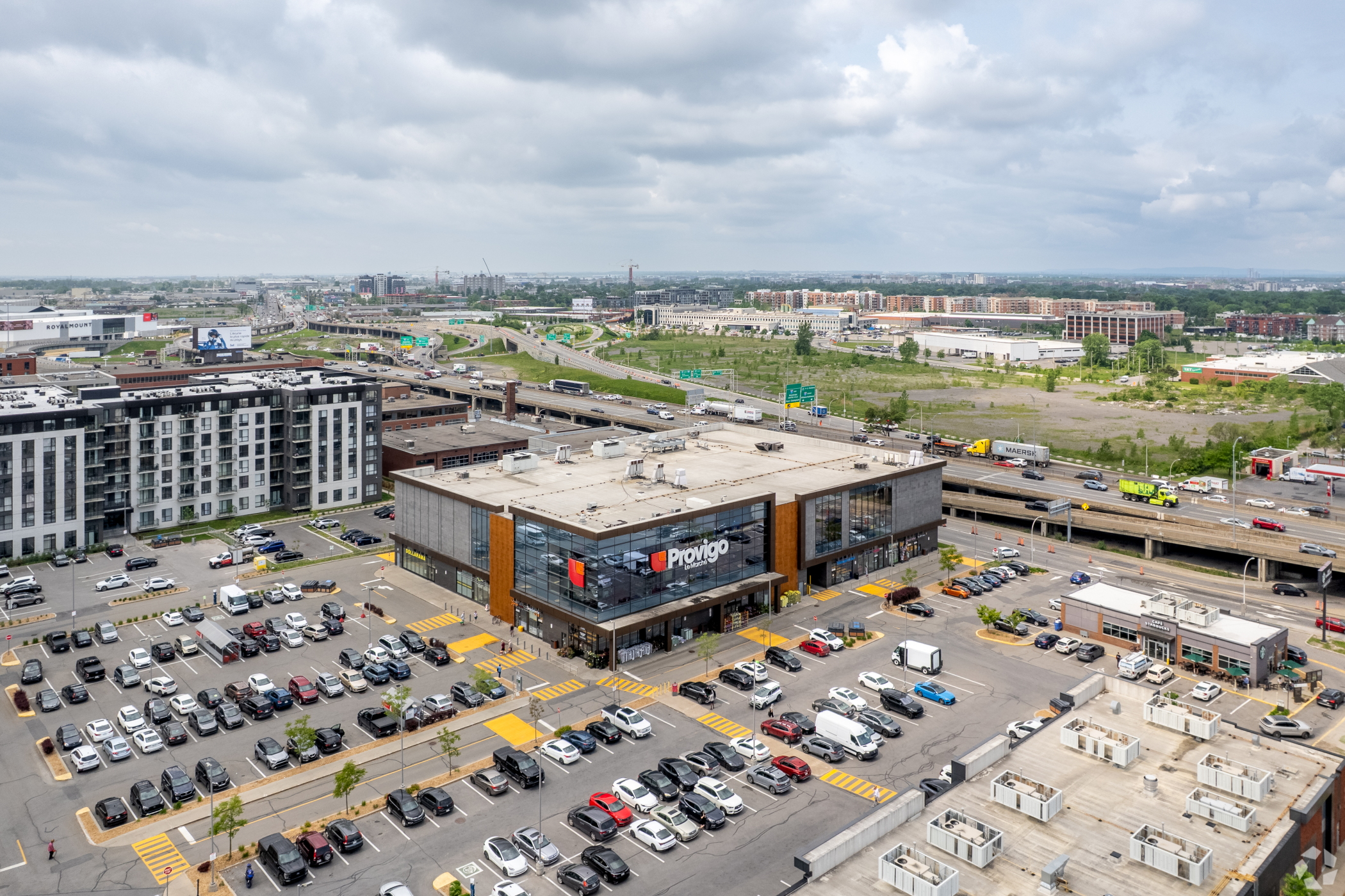
In the Montreal area, Carré Lucerne in Ville Mont‑Royal, a 116,200‑square‑foot neighbourhood shopping centre, aligns with the necessity‑based retail Choice is acquiring, while 100 Peel St. in Griffintown reflects the denser, high‑street profile included in KingSett’s portion of the deal.
In Toronto, Leaside Village matches Choice’s grocery‑anchored strategy, while large urban sites such as 2150 Lake Shore Boulevard West fit the development‑oriented assets KingSett is set to take over.
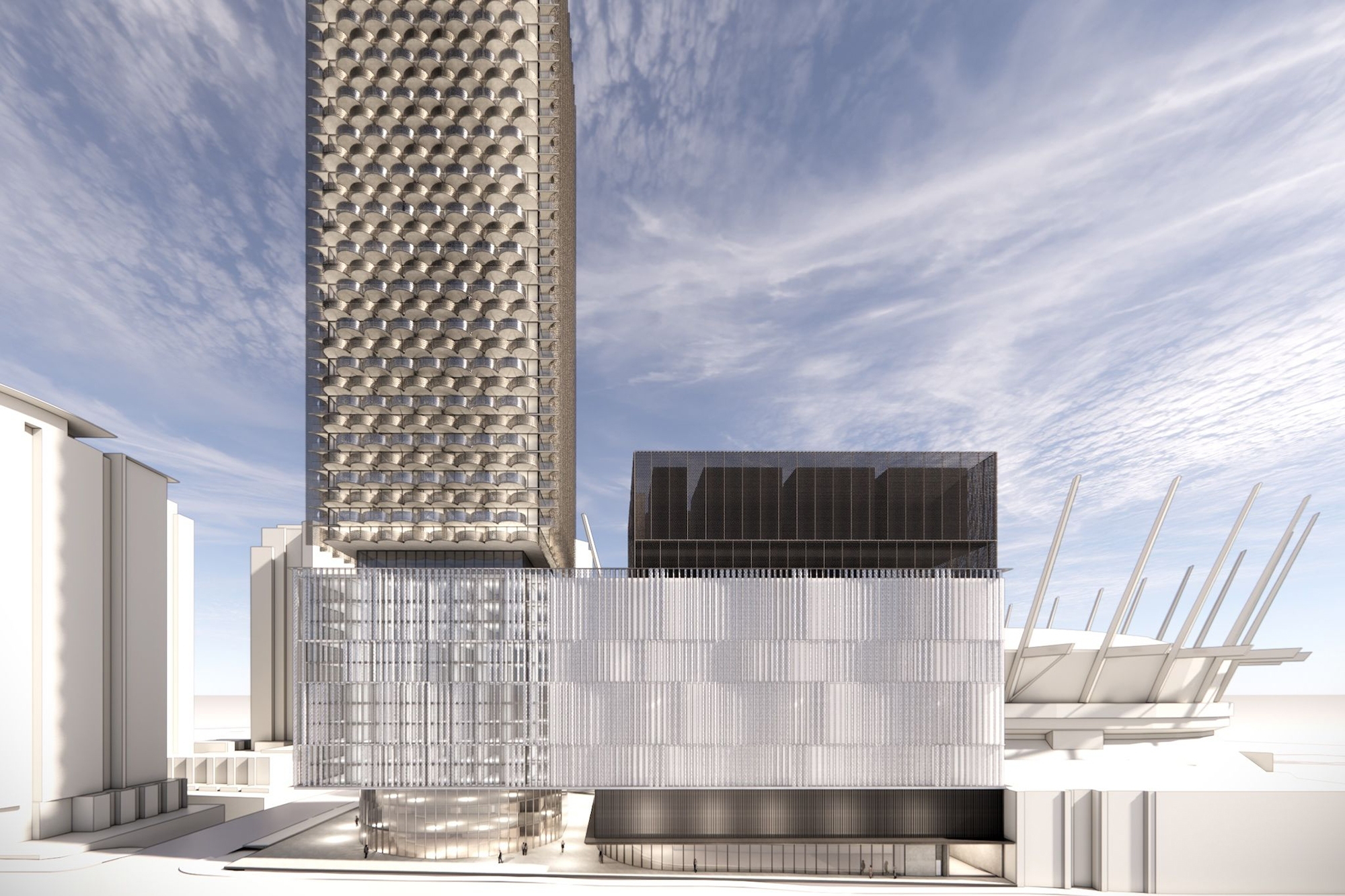
In the Vancouver region, the Shops at New West resembles the stabilized community shopping centres headed to Choice Properties, while False Creek Village reflects the higher‑intensity urban retail and mixed‑use assets described as part of KingSett’s acquisition.
High-quality assets hard to find
Haythornwaite said the transaction reflects long‑term real estate fundamentals rather than short‑term economic conditions.

“Canada under‑built retail real estate for an extended period because of fears that online shopping would change the way people shop,” Haythornwaite said in an interview. “That never really materialized. Online retail penetration is about 7% and has largely plateaued since COVID, while population growth tightened vacancy rates.”
He said construction activity has pulled back sharply as rents soften and financing costs rise.
“When rents are falling, development simply does not pencil,” Haythornwaite said. “That makes it much easier to forecast future supply constraints. High‑quality retail assets are likely to become increasingly scarce.”
Developer Dori Segal founded First Capital in the 1990s, and the company grew into one of Canada’s largest owners of open‑air retail. First Capital converted to a REIT structure in 2019. Adam Paul, who has served as president and CEO since 2015, pushed the company further into dense urban locations and redevelopment alongside its core shopping‑centre business.
First Capital also pursued residential intensification at a number of properties, seeking approvals to add housing on underused surface parking lots, including in Montreal. Those efforts added long‑term land value but increased complexity within a portfolio that still included a large volume of grocery‑anchored retail.
Toronto-based KingSett Capital, founded in 2002, is led by CEO Rob Kumer and manages more than $19 billion in real estate.
The companies expect the transaction to close in the second half of 2026, subject to unitholder, court and regulatory approvals.
Source Costar Click here for the full story.