
Canadian Vacancy Rates Drop Across Office, Industrial Sectors
Vacancy rates for both office and industrial real estate declined nationally in the first quarter, according to Colliers Canada, marking the first time since 2020 that both sectors tightened simultaneously.
Colliers’ First Quarter 2026 National Market Snapshot shows the national office vacancy rate dropped by one percentage point year over year to 13.6%. The brokerage attributed the decrease to limited new construction activity and the removal of older office stock through demolition or conversion to other uses.
“The decline in vacancy we’re seeing isn’t a statistical blip; it’s the result of a structural rightsizing,” said Adam Jacobs, head of research for Canada at Colliers. “With conversions removing record amounts of obsolete stock and a near‑total halt in new builds, the window [for office tenants] to secure top‑tier space is closing.”
While Colliers reported office performance at the national level, it did not offer a per‑city breakdown. CoStar data provides insight into how office market conditions vary widely across major urban centres.
In Vancouver, CoStar reported an overall office vacancy rate of 8.3% across roughly 95.2 million square feet of inventory, among the lowest rates in Canada’s major markets. Asking rents averaged $47.44 per square foot per year, with about 1.2 million square feet under construction and demand remains strongest for higher‑quality downtown buildings.
Calgary’s office market showed noticeably looser conditions with a vacancy rate of 15.1% across 92.5 million square feet of inventory, nearly double Vancouver’s level, according to CoStar data. Asking rents averaged $31.59 per square foot per year, with elevated sublet availability continuing to weigh on downtown occupancy, according to CoStar’s Calgary office summary.
Flight to quality
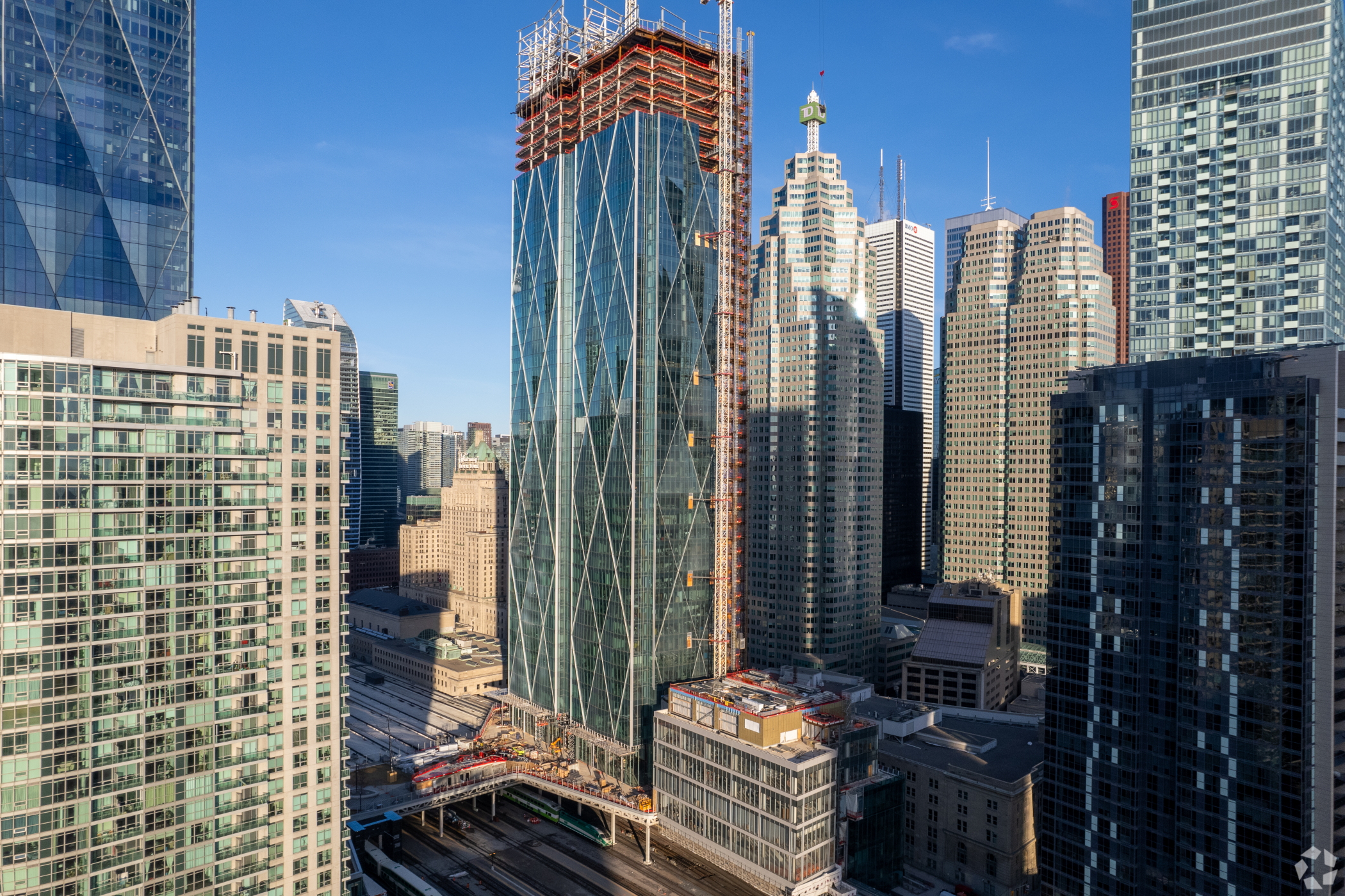
In the Toronto office market, CoStar reported that the vacancy rate is 10.3% across 285 million square feet of inventory, with average asking rents of $41.09 per square foot per year. The market has 3.2 million square feet under construction as it works through the final projects of a large pre‑pandemic wave of office developments, according to CoStar’s Toronto office summary.
At a recent real estate conference, Kevin Hardy, vice president and head of the Eastern Canada office at Oxford Properties Group, said he expected to see the “fastest take-up of space I’ve seen in 20-plus years in Toronto” at the start of 2026.
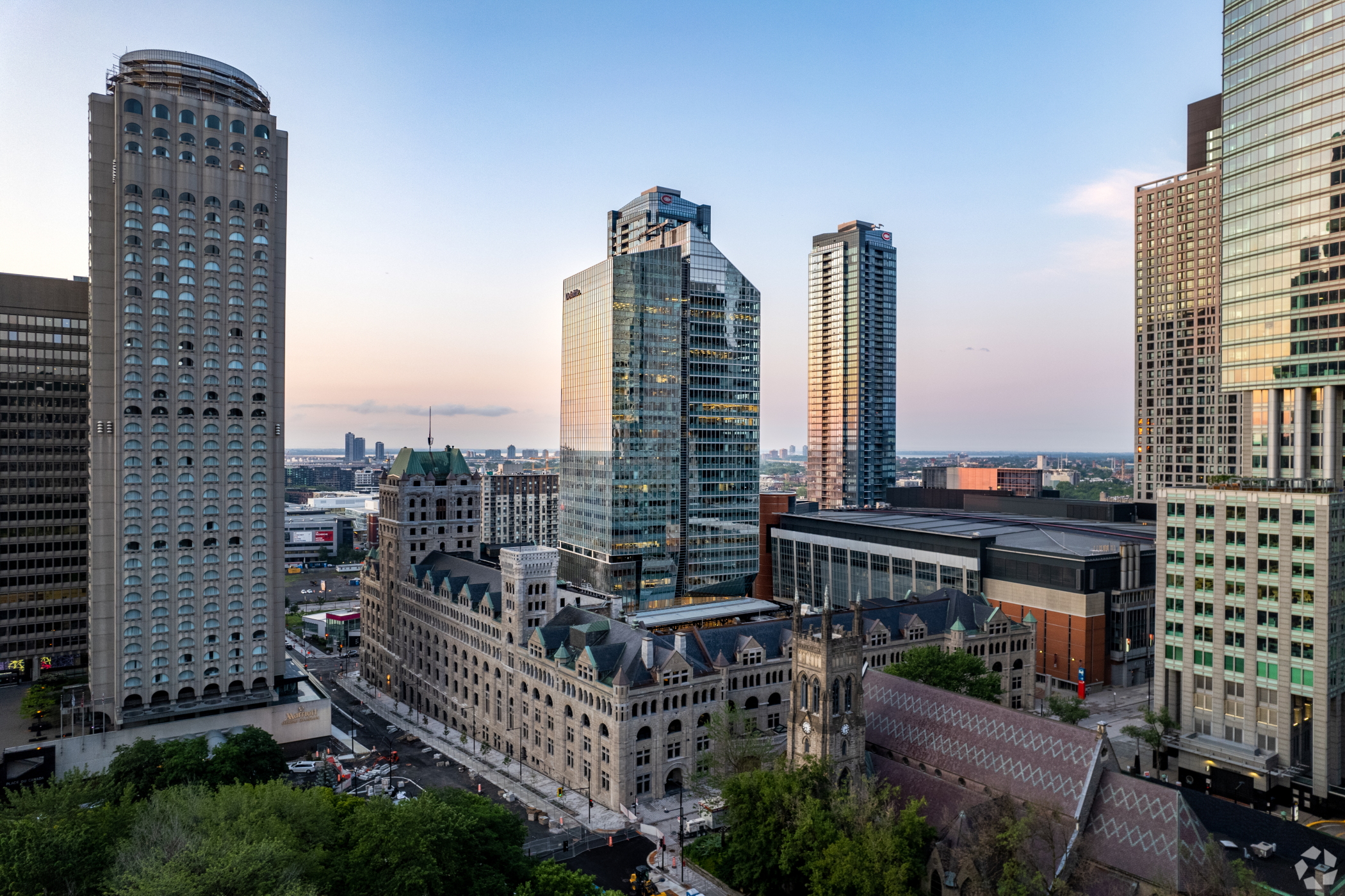
In Montreal, CoStar data shows office vacancy at 10.7% across 182 million square feet of inventory. Average asking rents were $36.26 per square foot per year, with leasing activity concentrated in newer, higher‑quality buildings while much of the older stock continued to face pressure.
On the industrial side, Colliers reported the first national decline in industrial vacancy since 2022. Net absorption, or the net change in occupancy, totaled 3.6 million square feet in the first quarter. Five of the six major industrial markets posted quarter‑over‑quarter vacancy declines.
Industrial construction activity remained active but concentrated. New starts totaled 5.6 million square feet in the first quarter, with Toronto, Vancouver and Calgary accounting for 76% of all industrial projects that broke ground. Colliers said the national industrial development pipeline now stands at 24.5 million square feet.
Colliers added that developer behaviour is changing after several years dominated by design‑build projects, with new industrial projects increasingly moving back toward speculative construction that typically starts with no or little preleasing in major markets.
Colliers is a Toronto‑based global commercial real estate services and investment management firm that operates in more than 65 countries and is publicly traded on the Nasdaq and Toronto stock exchanges.
Source Costar Click here for the full story.