
Toronto Leads The Nation’s Office Recovery
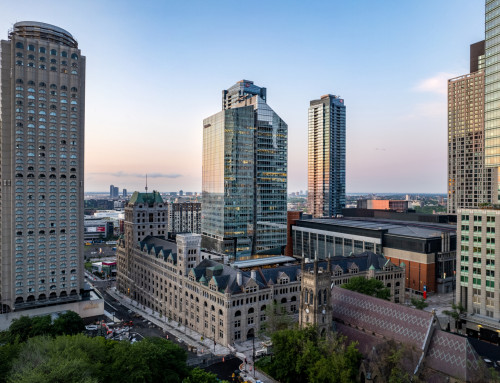
Toronto is driving the recovery of Canada’s office market, with the region posted three consecutive quarters of tenants moving into at least 1 million square feet more of space than they moved out of in a recent report. Now other markets are starting to see more demand for office space as well.
In CBRE’s First Quarter 2026 Canada Office Figures report, the real estate services firm said it expects the country’s largest city and global financial hub will continue driving the sector’s recovery. That comes after last quarter’s 1.9 million square feet of net office absorption, a real estate performance metric that reflects the amount of office space tenants moved into versus moved out of in a given period.
The active office leasing market reduced Toronto’s office vacancy to 14.4% in the first quarter from 18.3% during the same period in 2025.
“To date, the office recovery has largely been a Toronto story, but Q1 was the quarter where tenant demand appears to be beginning to spread to other cities and beyond trophy buildings,” said Marc Meehan, CBRE Canada’s research managing director, in a statement.
Toronto’s office vacancy rate has since decreased further in the second quarter and now stands at 10.2% across 285 million square feet of inventory, with average asking rents of $41.09 per square foot per year, according to a CoStar Market Analytics report. The market has 3.2 million square feet under construction as it works through the final projects of a large pre‑pandemic wave of office developments.
Office leasing conditions are most propitious in the downtown areas of major cities, especially among Class A buildings. During the past three quarters, Clas A office vacancy dropped to the lowest level since the third quarter of 2022, with decreases reported in six of 11 markets, according to CBRE. Edmonton saw a 2.5% decline, followed by Toronto’s 1.2% drop. The vacancy rate for select trophy office buildings in the Class A segment is 10% — the lowest since 2020.
Overall vacancy in downtowns across Canada declined by 6% during the first quarter year-over-year, while the suburban vacancy rate remained mostly flat. Seven of 11 downtowns in Canada reported lower office vacancy. However, the downtown vacancy rate in Ottawa rose by 1% during the same period, “primarily due to large blocks of federal vacancies coming to market,” the report said.
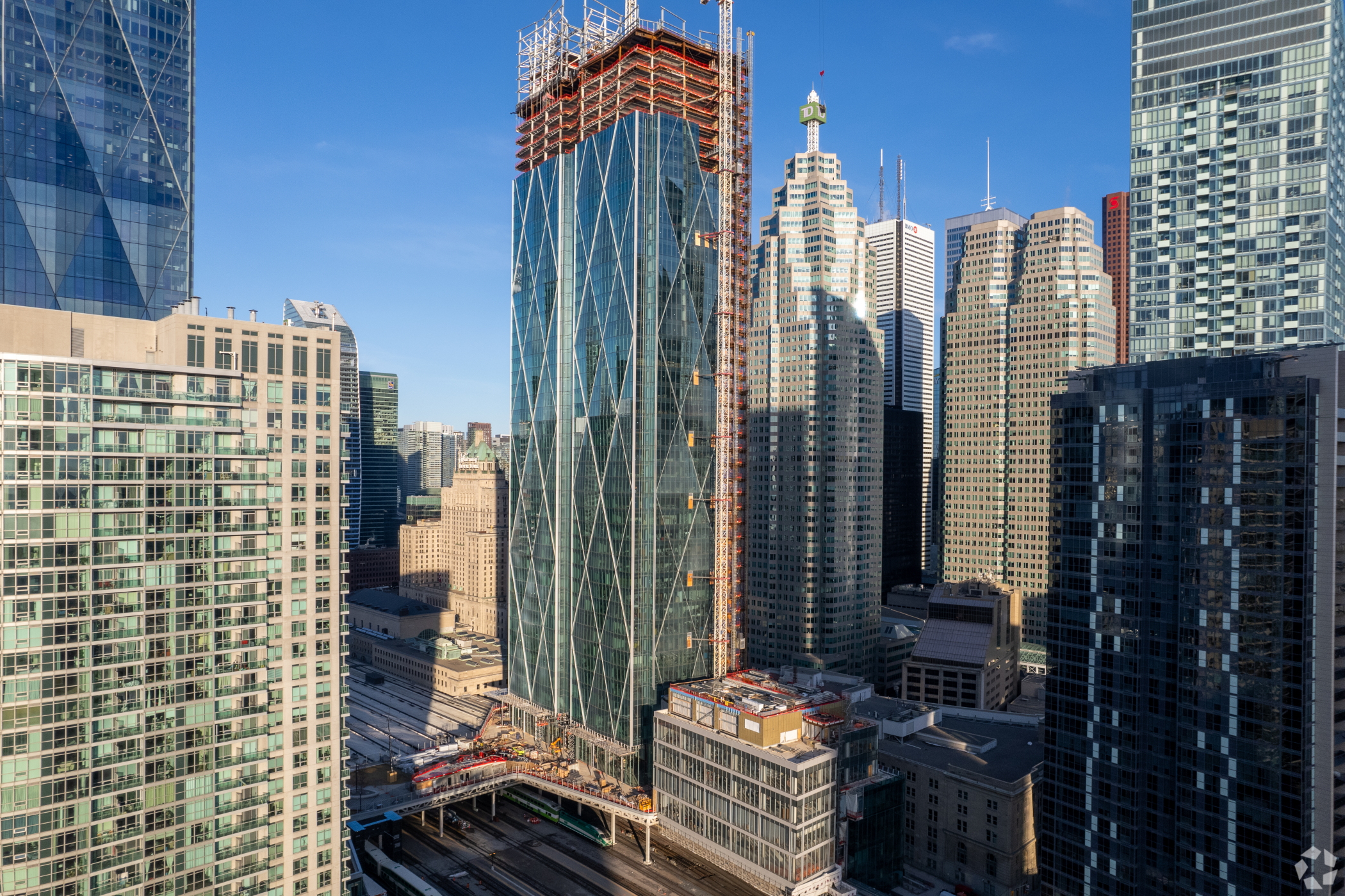
While there were no new office buildings started construction in the first quarter, 1.6 million square feet of new supply was completed. The second phase of CIBC Square in Toronto accounted for the majority of the inventory.
Looking ahead, 911,000 square feet of new office space is slated for completion through the remainder of the year, bringing the annual total to 2.5 million square feet, according to CBRE.
With a limited amount of new top-tier office inventory, CBRE said it expects demand to trickle down to Class B offices.
Source Costar Click here for the full story.