
As Older Industrial Buildings Bleed Occupancy, GTA Owners Seek Strategic Upgrades
By Stephen & Mariya Lilly TorontoCommercialProperties.Ca • February 26, 2026
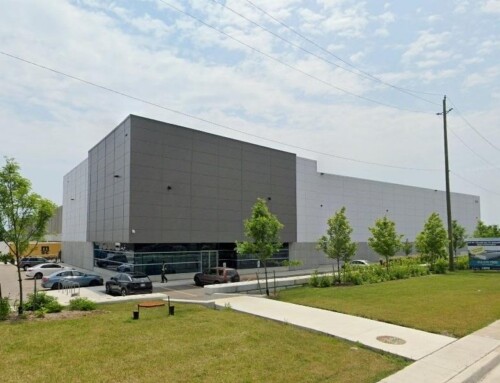
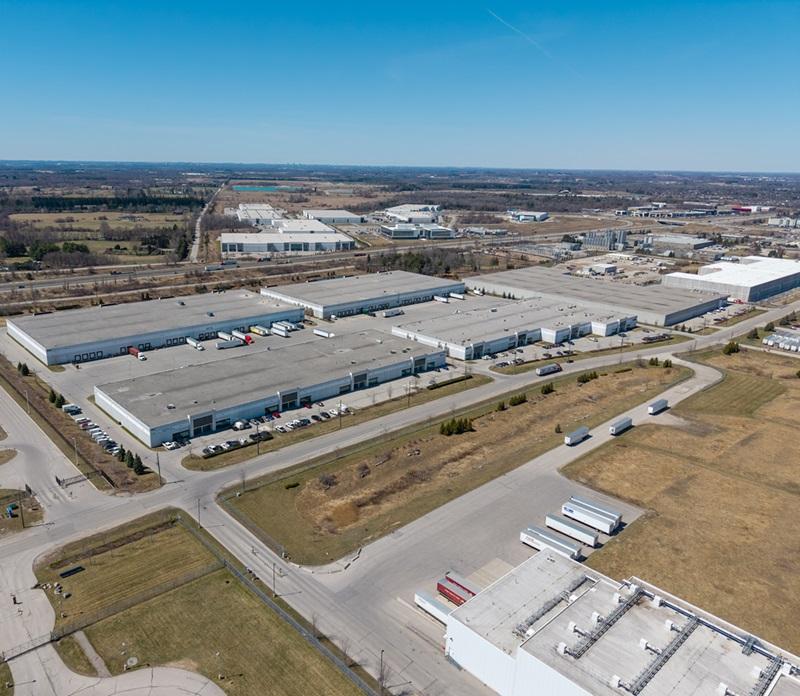
The industrial real estate market in the Greater Toronto Area (GTA) — long a top performer among commercial real estate asset classes — is undergoing a period of recalibration. Strong demand for modern logistics space continues, but older industrial buildings are increasingly struggling to compete, prompting landlords and investors to rethink how they reposition aging assets to retain tenants and protect income.
A Market in Transition
After years of almost uninterrupted demand for industrial space, recent reports show rising availability and slowing absorption in the GTA. According to market data, overall availability and sublease options have climbed significantly year-over-year, with tenants now enjoying more choices and greater leverage in lease negotiations.
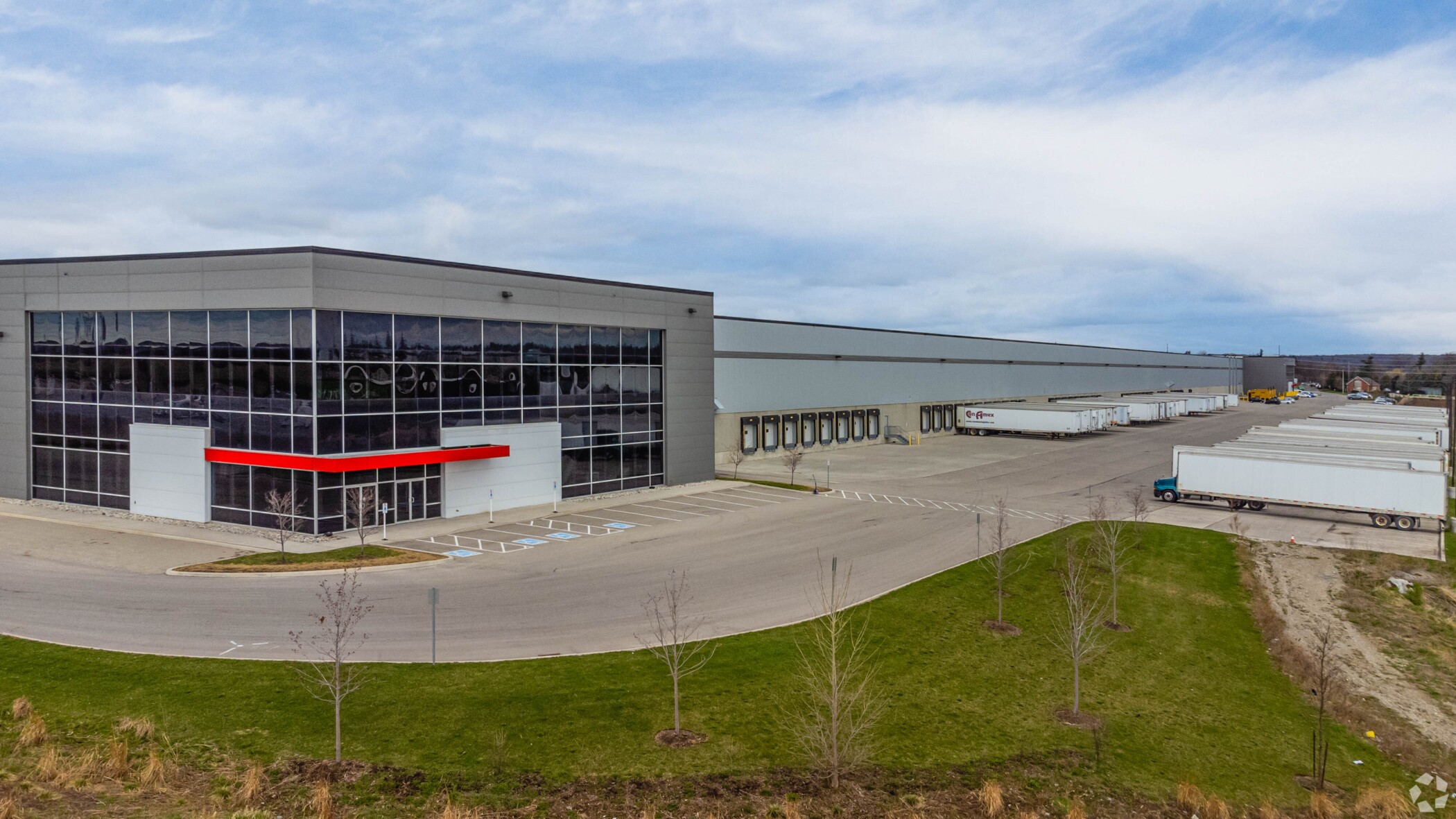
Simultaneously, industry research highlights that occupier preferences are shifting toward high-clear-height, large-bay, Class A distribution facilities designed for the demands of e-commerce, automation and large-scale logistics. Newer builds with 32–36 foot clear heights or more are increasingly favoured over older buildings with lower ceilings and outdated infrastructure.
The Clear-Height Imperative
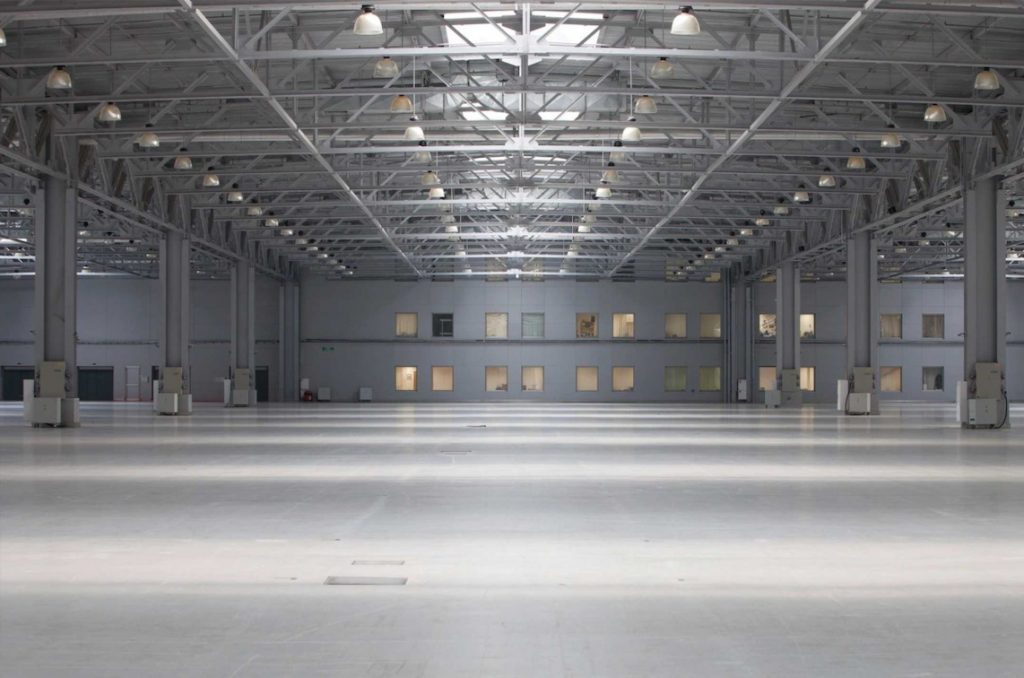
For many industrial occupiers, ceiling height is no longer an optional specification — it’s a core operational requirement. Older warehouses constructed with clear heights in the 20–24 foot range offer less usable vertical cube, directly limiting storage density and the ability to deploy modern racking systems or automated material handling equipment. As a result, tenants looking to scale operations or support more demanding logistics functions tend to gravitate to newer product that better aligns with those needs.
This dynamic has contributed to vacancy increases in older industrial buildings that lack the features modern tenants prioritise. Even as demand remains healthy overall, the competitive gap between older and newer inventory is widening in the eyes of many occupiers.
Repositioning In-Place: Upgrades and Adaptations
Industry practitioners and developers in Canada are exploring a range of responses to these pressures:
- Targeted Renovations: Some owners are investing in upgrades such as reinforcing floor loading, modernizing dock door configurations, improving electrical capacity and enhancing site circulation — all moves that can extend the functional life of older buildings without full redevelopment.
- Re-Engineering Ceiling Heights: In select cases, property owners are evaluating structural interventions that increase clear heights. While more common in U.S. markets, roof-raising and internal re-engineering techniques can create additional vertical cube in low-ceiling structures, making them more suitable for contemporary warehouse use at a lower cost than new construction.
- Adaptive Reuse: Where physical upgrades are uneconomic, some institutional owners and investors are contemplating adaptive reuse — converting older industrial buildings to alternative commercial uses such as creative office, retail-industrial hybrids or residential lofts — though the feasibility of such conversions depends heavily on zoning and community context.
- Economic Incentives: In a tenants’ market, landlords are increasingly deploying leasing incentives, flexible term structures and tenant improvement allowances to retain existing tenants and attract new occupiers to older product.
GTA Trends and Broader Canadian Market Signals
The GTA’s industrial sector has historically outperformed many North American peers, buoyed by population growth, strong trade flows and deep logistical networks connecting the region to major corridors. Yet even in this relatively strong market, the function and quality of space are becoming differentiators.
As landlords weigh investment in older product, they must balance the cost of enhancements against expected rent premiums and competitive pressure from new construction, particularly in key nodes such as Mississauga, Brampton, Vaughan and eastern Durham. These submarkets continue to see significant development of modern industrial parks with large footprints and high specifications.
What This Means for Investors and Landlords
Owners of older industrial properties in the GTA face a choice: adapt or cede ground. Properties that fail to deliver the specifications tenants demand risk prolonged vacancies and downward pressure on lease rates. Conversely, those that successfully reposition through strategic upgrades, structural enhancements or creative reuse can unlock renewed demand and bolster long-term value.
In a market where occupiers are increasingly selective and equipped with broader alternatives, staying ahead of functional obsolescence has become as critical as location itself. The next chapter in the GTA’s industrial story isn’t just about more space — it’s about smarter space.