
Multifamily Valuations Face Structural Limits
Toronto’s multifamily market has been buoyed by chronic undersupply, but cracks are beginning to appear.
A comparison of total completed property sales for the first 11 months of each year over the past six years reveals that multifamily property sales peaked at $3.36 billion in 2021, before easing to $1.44 billion in 2025.
While investor demand remains strong, pricing is beginning to face structural challenges, as the Greater Toronto Area has experienced an unprecedented increase in urban population growth.

The GTA’s urban population has soared by roughly 35%, more than triple the rate of other high-income countries. This rapid population expansion concentrated in urban areas has fueled housing demand, driving rents to levels that have become unaffordable.
Having stretched affordability to the breaking point, rents are beginning to recede. At the same time, capitalization rate risk premiums have tightened to roughly one-third of historical averages, leaving little room for further compression.
The Canada Mortgage and Housing Corporation provides financing that continues to underpin the valuations of multifamily properties. The recent federal budget will expand the Canada Mortgage Bond program from $60 billion to $80 billion. Yet, with apartment net operating incomes squeezed by rising operating costs and reduced rent growth, future gains in property value will depend on enhanced asset management rather than market momentum.
We expect to see softening of rents in the short term and lower property values for top-tier apartments. In contrast, older properties face legislative constraints on rent increases and renovations, further limiting any potential upside.
When analyzing data for top and mid-tier asset groups, short-term projections indicate that capitalization rates are expected to increase for higher-quality properties rated four and five stars, while cap rates for lower-quality one-, two- and three-star assets are expected to remain stable. Though lower rents will account for most of the value erosion, higher cap rates at the upper end of the market are expected to compound the pricing pressure on premium assets.
The supply and demand mismatch persists, despite issues surrounding affordability, so some investors, such as Lankin Investments, remain active. Lankin has acquired roughly $288 million of multifamily properties so far this year, accounting for over 20% of the total sales volume for apartments across the Greater Toronto Area.
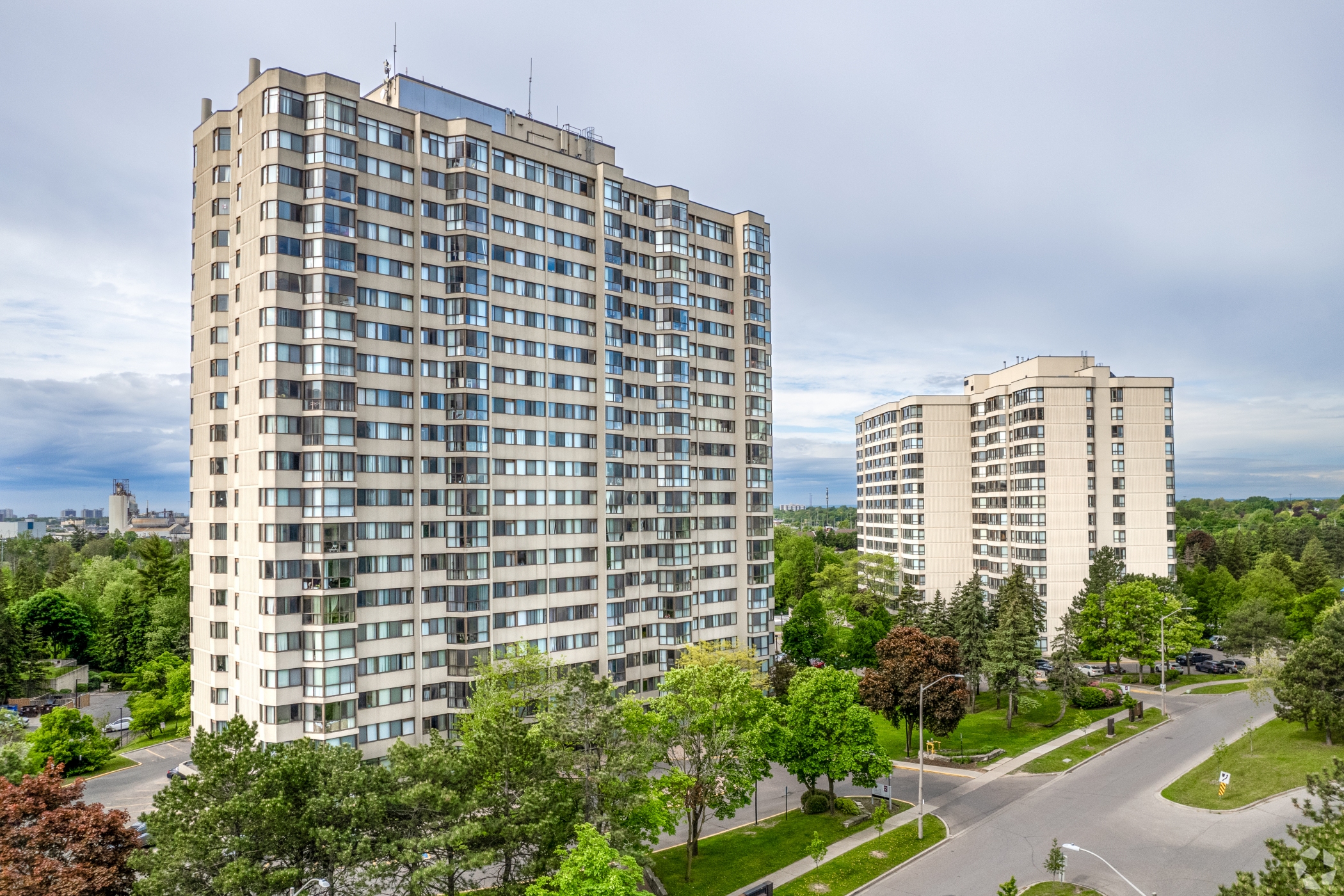
Interestingly, Lankin’s largest purchase of the year, and the second-largest across the entire market, was 2 Silver Maple Court, an apartment building rated three stars, with average rents that were about 25% below the market average. This sale reflects a market where affordability drives liquidity more than high property specifications.
The multifamily property narrative is shifting from one of growth to value preservation. In the absence of capitalization rate compression, multifamily is entering a phase where individual property performance, not financial engineering, will dictate valuations.
Source CoStar Click here for the full story.